How I got here
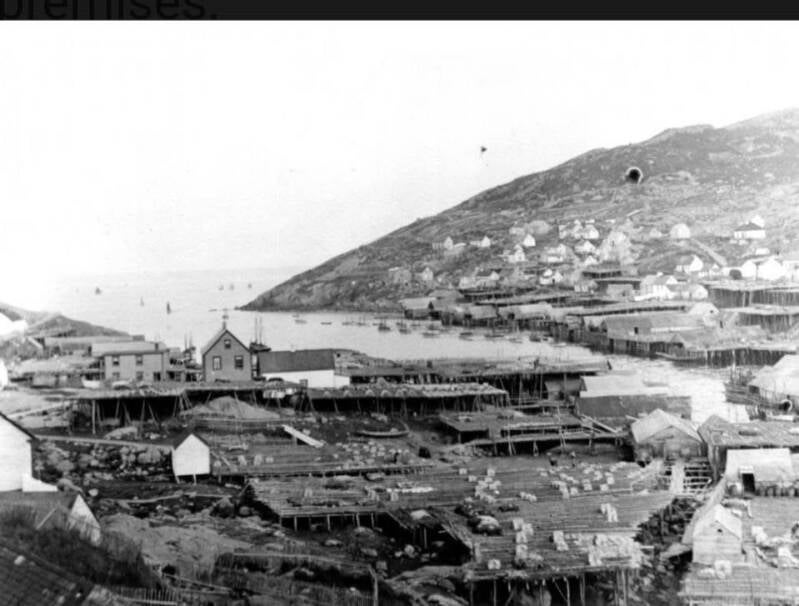
I started making fish as a response to the cod moratorium shortly after I arrived in St. John’s in 1994. The story of Cod is about the land and people, and how they shape each other: settlement patterns, architecture, clothing, boats, songs, recitations, food, and language. I was sensitive to the cultural impact of the moratorium because I was repatriating to Canada from Botswana where severe drought and an AIDS epidemic had devastated the country, its’ economy, the land was dead, negatively altered the physical and mental health of people, a turbulent time that altered cultural practices significantly.
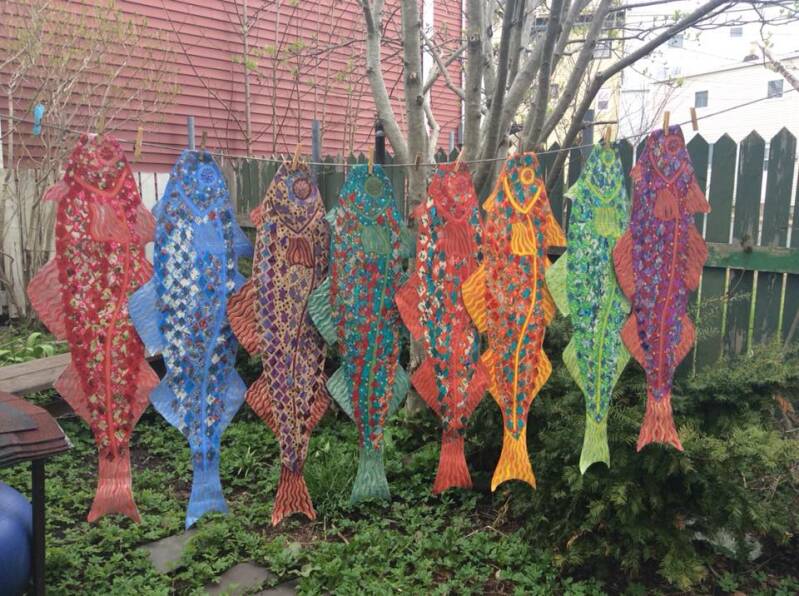
Around 1996, I started with a lament or mournful type of aesthetic, the discharged drawing on black cloth, adorned with beading and stitching. The discharge acting as a trace of what is left behind, what is moving towards extinction. As times changed from the collapse of the fishery to the oil boom I began moving to a more optimistic codfish using paint/collage and with brighter colours around 2003. The scale of the fish is nostalgic as a historical reminder of where we came from. As a ritualistic practice, “making fish” connects me to the past and present work of women in the fishery. It identifies with the work of settler women “making fish” in Newfoundland, often part of the historical fishery story that doesn't get told. It grounds me to both Newfoundland and Nova Scotian settler ancestors whose lives were deeply connected to the land, sea and each other.

Place and Time
I use the skin to honour the fish. To create a memorial or keepsake objects, responding to how climate change is changing the ocean of the cod fishery.

The Cod Room & Newfoundland
The Cod Room reflects on the personal journey of arriving in Newfoundland during the Cod Moratorium. Including a connection to Girls Who Fish.

Our Vision
A pause for reflection on the current state of the world's oceans, its fragility and strength, and our role in stewarding human engagement with the life it supports.